 how-to
How Do You Improve Soil Microbial Health?
Last Updated: October 29, 2026
Quick Summary
To improve soil microbial health, stop harming it by cutting back on harsh chemical inputs, feed it with compost and carbon-rich materials, keep living roots growing year-round, and protect it by limiting tillage and keeping soil covered. These four steps build the balance of bacteria, fungi, and other tiny life in your soil.
- Beneficial soil bacteria and fungi need food, water, air, and steady root partners to thrive.
- Compost tea adds live microbes and nutrients but cannot fix poor soil structure or replace compost.
- Test soil microbial biomass and activity before you start, then retest each season.
- Test the same spots each time and compare trends rather than single numbers.
- Pair biology tests with standard soil pH and nutrient tests.
Table of Contents
- How to Increase Microbial Biomass in Soil: A Step-by-Step Plan
- Beneficial Soil Bacteria and Fungi: What They Need to Thrive
- Compost Tea for Soil: What It Can and Cannot Do
- Soil Microbial Testing: How to Track Whether It Is Working
- Frequently Asked Questions
How to Increase Microbial Biomass in Soil: A Step-by-Step Plan
Soil microbial health is the balance of bacteria, fungi, and other tiny life in your soil. Here is how to improve soil microbial health in four steps.
- Stop harming it. Cut back on harsh chemical inputs.
- Feed it. Add compost and carbon-rich materials.
- Keep roots growing. Living roots feed microbes year-round.
- Protect it. Limit tillage and keep soil covered.
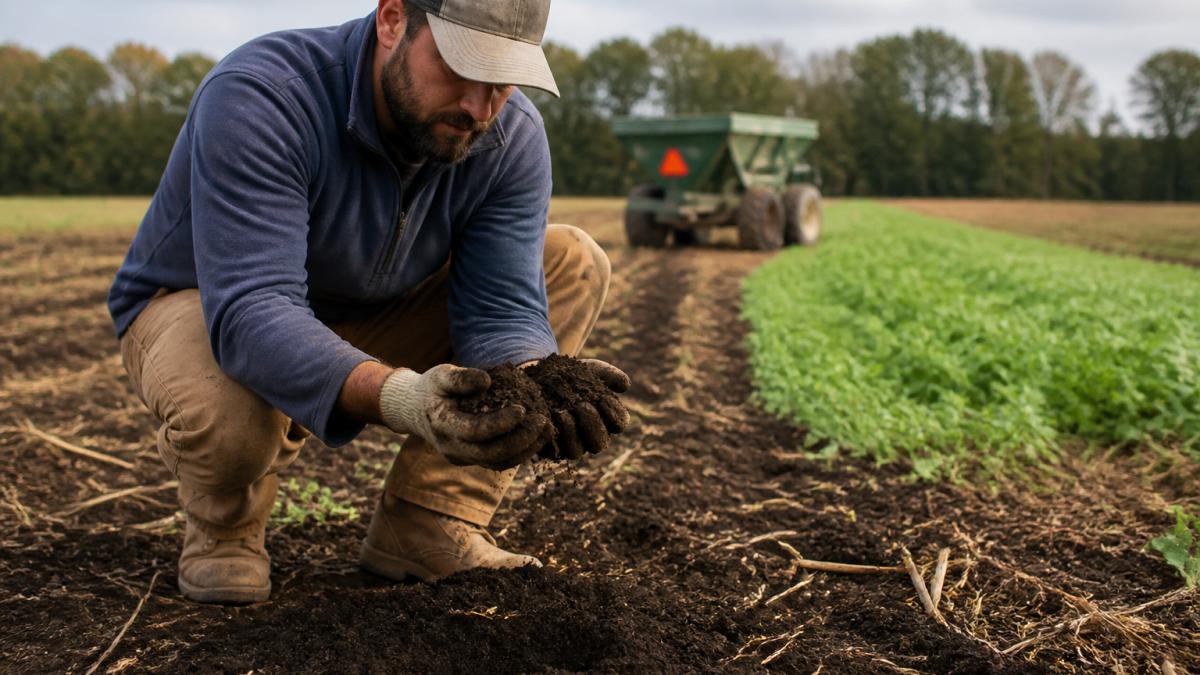
Improving soil microbial health comes down to four practical steps.
| Step | What to do |
|---|---|
| 1 | Stop harming it: cut back on harsh chemical inputs |
| 2 | Feed it: add compost and carbon-rich materials |
| 3 | Keep roots growing: living roots feed microbes year-round |
| 4 | Protect it: limit tillage and keep soil covered |
Beneficial Soil Bacteria and Fungi: What They Need to Thrive
Beneficial soil bacteria and fungi need four things: food, water, air, and steady root partners. Fungi, including mycorrhizae, extend far into the soil and help roots reach water and nutrients.
A common mistake is treating soil like dirt. It is a living system. Feed it carbon, keep it moist but not soaked, and skip the chemicals that wipe out microbial diversity.
Compost Tea for Soil: What It Can and Cannot Do
Compost tea for soil can add live microbes and nutrients to your root zone. It cannot fix poor soil structure or replace compost.
What most guides miss: tea works best as a small boost, not a cure. Brew it fresh, apply it soon, and use it alongside compost and cover crops. Watch out: tea made from low-quality compost can spread pathogens.
Soil Microbial Testing: How to Track Whether It Is Working
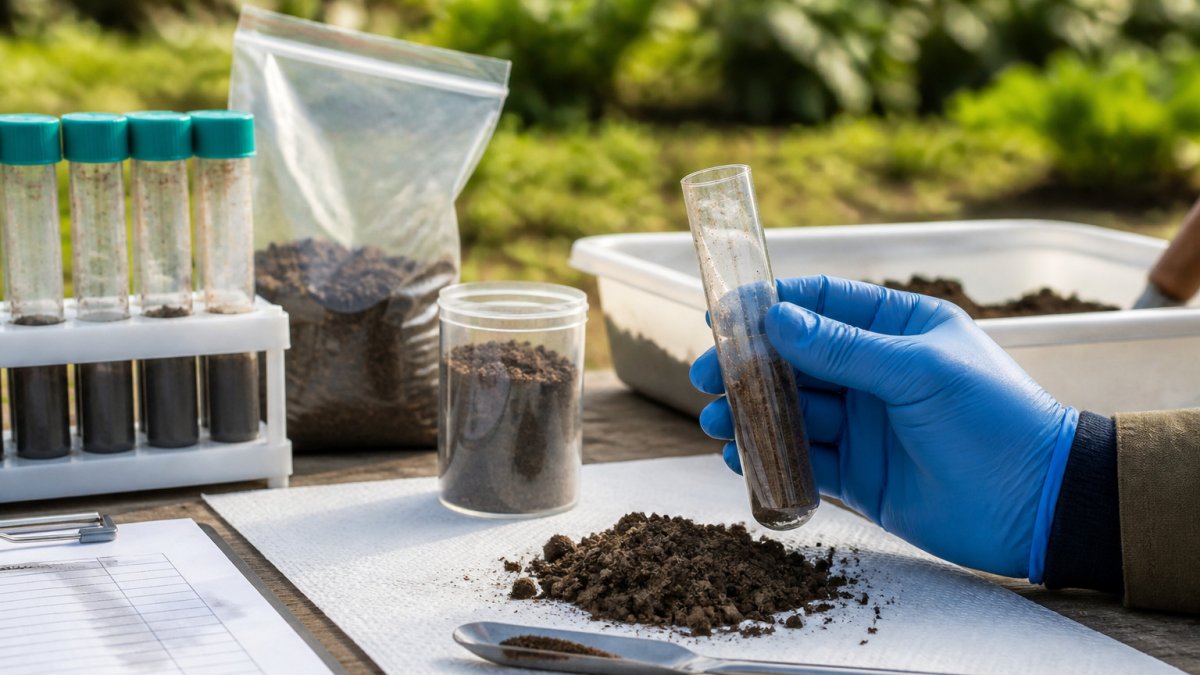
Soil microbial testing measures microbial biomass and activity so you can see change over time. Test before you start, then retest each season.
- Test the same spots each time
- Compare trends, not single numbers
- Pair biology tests with standard soil pH and nutrient tests
BioSys offers soil microbial analysis, so you can see how your soil biology is changing and manage land with evidence.
Frequently Asked Questions
How can I improve soil microbial health naturally?
Start by feeding the soil rather than the plant: add carbon-rich organic matter such as compost, aged manure, or cover crop residue, and keep living roots in the ground as long as possible. Reduce tillage, which breaks up fungal networks, and cut back on chemical fertilizers and pesticides that suppress soil microorganisms. Keep soil pH in a range suited to your crop, since microbial activity drops sharply outside it. These steps build microbial biomass and diversity over time without purchased inoculants.
How long does it take to improve soil microbial health?
Expect measurable change in microbial biomass and activity within one to two growing seasons of consistent organic matter additions and reduced disturbance. Fuller recovery of microbial diversity and soil aggregation usually takes several years, and the timeline depends on your starting point, soil texture, climate, and how aggressively you cut chemical inputs. Soil microbial testing at the same time each year lets you track trends in your soil biology over time.
Do compost teas improve soil microbial health?
Compost tea can add beneficial soil bacteria and fungi, but results vary widely with the compost used, brewing method, and how the tea is applied. It works best as a supplement to compost and organic matter, not a replacement for them, since tea adds organisms without adding the carbon and habitat they need to persist. Pair tea applications with soil microbial testing to confirm whether the biology is actually establishing.
You do not have to guess whether your soil is getting healthier. BioSys offers soil testing for bio analysis, regenerative landscaping without chemical fertilizers, and biologically complete compost. Get started with BioSys and bring life back into your soil.