 how-to
5 Steps to Choose Compost for Your Vegetable Garden
Quick Summary
To choose compost for a vegetable garden, start with a soil test and your plants' needs, then match the compost type to the job. Bagged compost suits small beds and containers, mushroom compost helps bed structure but can be high in salts, and bulk compost suits large gardens. Check maturity before buying.
- Test your soil first to see what your beds already have and lack.
- Check soil texture, organic matter level and plant needs before buying.
- Bagged compost suits small beds and containers; bulk suits large gardens.
- Mushroom compost can be high in salts, so use it in moderation.
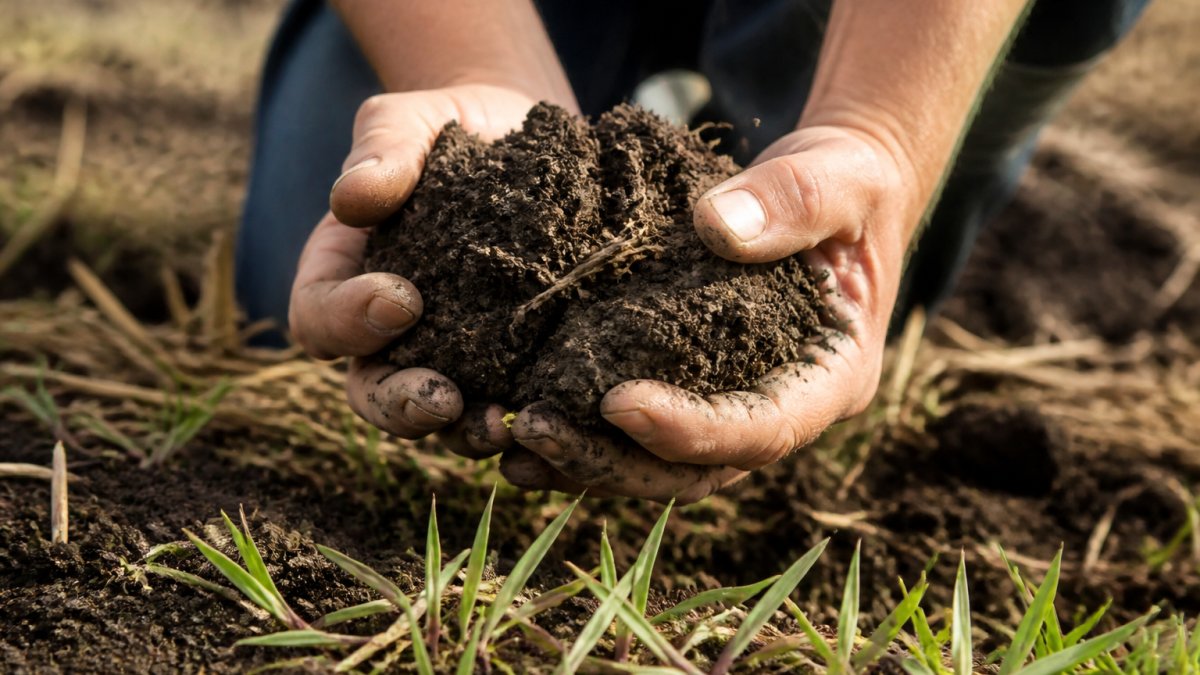
- Mature compost is dark, crumbly, earthy-smelling and no longer heats up.
Table of Contents
- Start by Testing Your Soil and Knowing What Your Plants Need
- Compare Compost Types: Bagged, Mushroom, and Bulk Options
- Check Compost Maturity and Quality Before You Buy
- Decide How Much Compost to Add to Your Vegetable Garden
- Book a Custom Compost and Soil Biology Consultation With BioSys
- Frequently Asked Questions
Start by Testing Your Soil and Knowing What Your Plants Need
Last Updated: November 4, 2026
Choosing compost for a vegetable garden starts before you buy a single bag, so take time to choose compost that fits your soil. A soil test tells you what your beds already have and what they lack, so you stop guessing. BioSys explains how to read and act on soil biology results, which is a useful next step once you have your numbers.
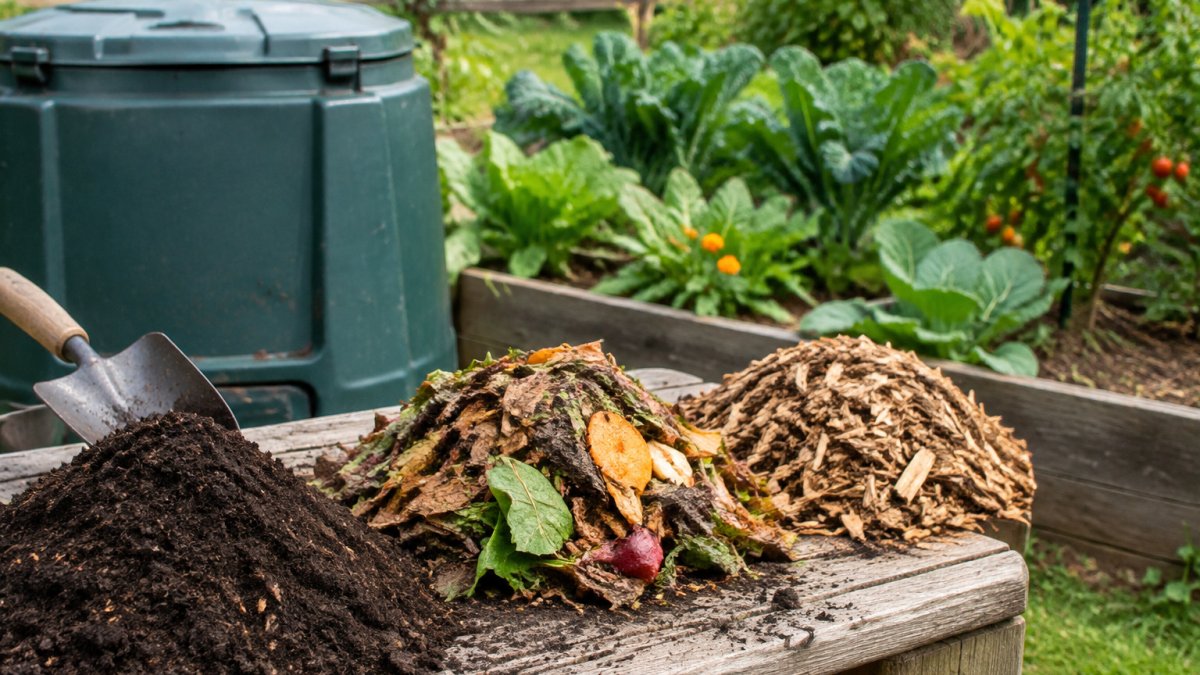
Compost is not one product. Bagged compost, mushroom compost and bulk compost differ in texture, nutrients and risk. Your soil and your crops should help you choose compost wisely, deciding which one you pick.
Start with three checks:
- Soil texture: Sandy soil drains fast and holds few nutrients. Clay soil holds water and packs down.
- Organic matter level: Low organic matter usually means the soil needs more compost.
- Plant needs: Leafy greens, fruiting crops and root crops each pull different nutrients from the soil.
A common mistake is buying compost before knowing what the bed needs. Many gardeners add the same amount to every bed, no matter the soil. That wastes money and can overload some nutrients.
Soil microbial health matters too. Healthy soil life helps break down organic matter and make nutrients available to plants. How Do You Improve Soil Microbial Health? covers how to assess this before you choose a compost.
Compare Compost Types: Bagged, Mushroom, and Bulk Options
Each compost type fits a different job, so compare them by use, not just price.
| Option | Best For | Main Trade-Off |
|---|---|---|
| Bagged compost | Small beds, containers, raised beds | Costs more per cubic foot |
| Mushroom compost | Improving structure in beds | Can be high in salts |
| Bulk compost | Large gardens and new beds | Needs space and a delivery |
Bagged compost is convenient and easy to handle. It works well for small vegetable plots and containers.
Bulk compost is cheaper per volume if you have a big garden. Pricing depends on quantity, delivery and your location, so ask suppliers for a quote before you order.
Mushroom Compost for Vegetable Gardens: Benefits and Cautions
Mushroom compost is a byproduct of growing mushrooms. It can improve soil structure and add some nutrients. Many gardeners use it as a soil amendment in beds.
It has cautions, though. Mushroom compost can be high in salts, which can harm seedlings and sensitive crops.
Watch out: Do not use fresh or unfinished mushroom compost on seedlings. It can burn young roots.
Check Compost Maturity and Quality Before You Buy
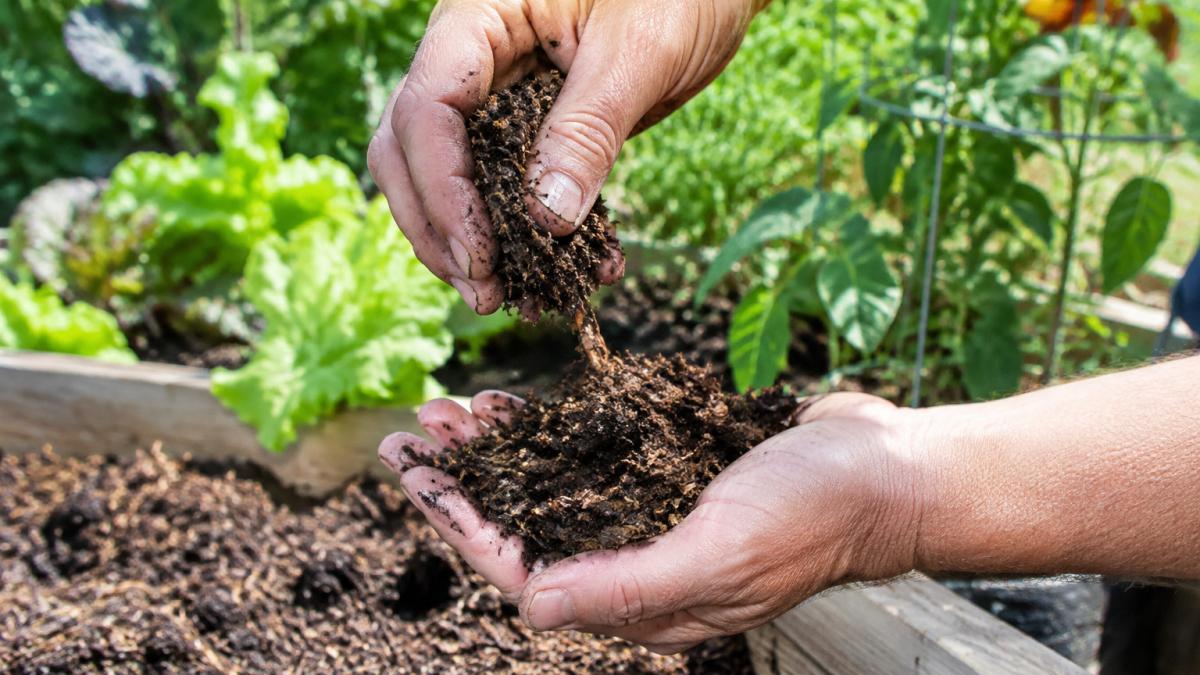
Mature compost is dark, crumbly, smells earthy, and no longer heats up. Immature compost can still be biologically active, may tie up nitrogen as microbes finish breaking down carbon, and can harm seedlings. The checks below let you judge a product before you pay for it, whether you are opening a bag at the store or standing next to a bulk pile.
Field checks you can do in two minutes
- Temperature: Stick a compost thermometer or a metal rod into the pile and leave it for 10 minutes. Finished compost should read close to ambient air temperature. A pile that is still warm in the middle, roughly 100°F or higher, is still actively composting and is not ready to use around roots.
- Smell: Earthy and mild is what you want. Sour, ammonia-like, or sewage smells point to anaerobic conditions or unfinished feedstock.
- Texture: Squeeze a handful. Mature compost crumbles and holds together loosely; it should not form a tight, sticky ball or drip water.
Read the label like a buyer, not a browser
A useful compost label tells you more than 'organic.' Look for:
- Feedstock list: What went in, yard trimmings, food scraps, manure, mushroom substrate, biosolids. Mixed or undisclosed feedstock is a contamination risk.
- Nutrient analysis: N-P-K values are usually small (often in the 0.5-2% range per nutrient for finished compost). A label claiming dramatically higher numbers is either blended with fertilizer or mislabeled.
- pH: Most finished compost lands near neutral (roughly 6.0-8.0). Very high or very low pH can affect how much you apply.
Questions to ask a bulk supplier
Bulk compost is where quality varies most, because you cannot see a printed label. Ask:
- What feedstocks go into this batch, and are they source-separated?
- How long was it composted, and how was maturity confirmed?
- Has it been tested for herbicides (particularly clopyralid or aminopyralid residues from hay and manure feedstock)?
- What are the test results for pH, soluble salts, and nutrient content?
- Can I see the pile before delivery?
Watch out: Compost made from manure or hay feedstock can carry persistent herbicide residues that survive composting and damage tomatoes, peppers, and other broadleaf vegetables, ask for a bioassay result or test a small batch yourself before applying widely (Toxic Potting Soil 2.0).
Contamination and feedstock risks
Even well-made compost can carry weed seeds, plastics, glass, or pathogens if feedstock was poorly sorted or the pile never reached temperature. Signs of trouble include visible trash, a sour smell, or a batch that never heated.
!A gardener's hands crumbling dark, earthy finished compost over an open palm in a sunlit backyard vegetable bed
Decide How Much Compost to Add to Your Vegetable Garden
Application rate depends on your soil test, the compost's nutrient content, and whether you are building a new bed, maintaining an established one, or filling containers. The numbers below are common starting points; adjust after your next soil test.
Rates by garden situation
- New in-ground beds (low organic matter): Spread a 2-4 inch layer of finished compost over the bed and mix it into the top 6-8 inches of soil. On very sandy or heavy clay soil, lean toward the higher end.
- Established beds (maintenance): Apply a 1-2 inch layer each season, either mixed into the top few inches before planting or used as a top-dressing around established plants.
- Raised beds: Blend compost with topsoil and a drainage material at roughly one part compost to two or three parts soil by volume for a new fill; top-dress with 1 inch per season after that.
Timing
- Before planting: Mix compost into beds 2-4 weeks before sowing or transplanting so it can settle and integrate.
- Between crops: Top-dress 1 inch between successions, especially after heavy feeders like tomatoes, corn, or brassicas.
- Fall: A fall application of 1-2 inches gives compost the winter to break down and lets earthworms and soil biology incorporate it before spring planting.
A simple routine
- Test your soil and note organic matter, pH, and nutrient levels.
- Choose a compost type that matches the test and the crop.
- Measure the layer by bed area, a 2-inch layer over 100 square feet is about 0.6 cubic yards.
- Mix into the top 6-8 inches for new beds, or top-dress for established ones.
- Recheck soil next season and adjust the rate up or down.
Watch out: More compost is not automatically better. Repeated heavy applications can push phosphorus and soluble salts above what vegetables need, especially with manure-based or mushroom compost, let your soil test, not habit, set the rate.
Book a Custom Compost and Soil Biology Consultation With BioSys
Choosing the right compost is easier with expert input. BioSys offers soil microbial analysis, regenerative landscaping and custom, biologically complete compost production. Talk with the BioSys team about your vegetable garden, and ask for current pricing, since costs depend on scope and quantity.
Frequently Asked Questions
What type of compost is best for vegetable gardens?
For most vegetable gardens, a finished, well-aged compost made from a mix of plant-based and animal-based materials works best. It should smell earthy rather than sour or ammonia-like, and it should look dark and crumbly with no recognizable food scraps. Match the type to your soil: sandy soil benefits from compost that improves water retention, while heavy clay soil benefits from compost that adds structure and drainage. Test your soil first so you know which gaps you need to fill, and look for products that list their ingredients and maturity on the label.
Can I use bagged compost for a vegetable garden?
Yes. Bagged compost is convenient for raised beds, containers, and small plots where bulk delivery is impractical. Check the label for ingredients, a clear indication that the product is finished, and any notes on pH or nutrient content. Bagged products vary widely in quality, so compare a few options and look for a consistent, dark, crumbly texture. For larger gardens, bulk compost is usually more economical per cubic foot, but pricing varies by quantity, delivery, and supplier, so confirm current costs with each seller.
Is mushroom compost good for a vegetable garden?
Mushroom compost can improve soil structure and add organic matter, which helps with water retention and aeration. However, it often contains high levels of salts and can have an alkaline pH, so it is not ideal for every garden. Test your soil before adding it, and use it in moderation, mixing it into the soil rather than applying a thick layer. Avoid using it heavily on plants that prefer acidic soil, and check the product's salt content if you are growing salt-sensitive crops.
How often should I add compost to a vegetable garden?
Most vegetable gardens benefit from adding compost once or twice a year, typically in spring before planting and sometimes again in fall after harvest. The right amount depends on your soil test results, your crops, and how depleted the bed is. Lightly top-dress established beds during the growing season if plants show signs of low vigor. Avoid over-applying, since excess compost can cause nutrient imbalances. Keep a simple record of what you add and how plants respond so you can adjust next season.