 How-to
Chemical Free Farming Transition Risks and How to Manage Them
Last Updated: November 15, 2026
Quick Summary
Chemical free farming transition risks are short-term yield dips, heavier pest pressure, and cash flow strain. Most operations hit a rocky stretch in years one to three, then stabilize as soil biology recovers. Buffer the yield dip, manage pests with integrated pest management, and protect cash flow with staging and a reserve.
- Phase the change: strip-test first, keep a chemical safety net on part of the acreage, and add crop diversity and rotation.
- Hold a reserve equal to one season of expected loss and start certification and market talks early.
- Cut the most damaging synthetic pesticides first and replace them with biological control and precision spraying.
- Scout regularly, rotate crops to break pest cycles, and lean on biological control first.
- Soil health testing can show whether soil biology is rebuilding before yield numbers reflect it.
Table of Contents
- The Real Risks of Chemical Free Farming: Yield Dips, Pest Pressure, and Cash Flow
- Transitioning to Organic Farming Without Losing a Season
- Organic Farming Yield Transition: What the Data Says and How to Buffer It
- Soil Health Testing for Farms: Your Early-Warning System
- Building a Phased Transition Plan That Protects Cash Flow
- Integrated Pest Management During the Transition
- Reducing Chemical Inputs Without Triggering a Crisis
- The Real Risks of Chemical Free Farming: Yield Dips, Pest Pressure, and Cash Flow
- Frequently Asked Questions
The Real Risks of Chemical Free Farming: Yield Dips, Pest Pressure, and Cash Flow
Chemical free farming transition risks are practical: short-term yield dips, heavier pest pressure, and cash flow strain. Most operations hit a rocky stretch in years one to three, then stabilize as soil biology recovers.
For a full cost picture, see how to reduce fertilizer costs farming without cutting yield.
Transitioning to Organic Farming Without Losing a Season
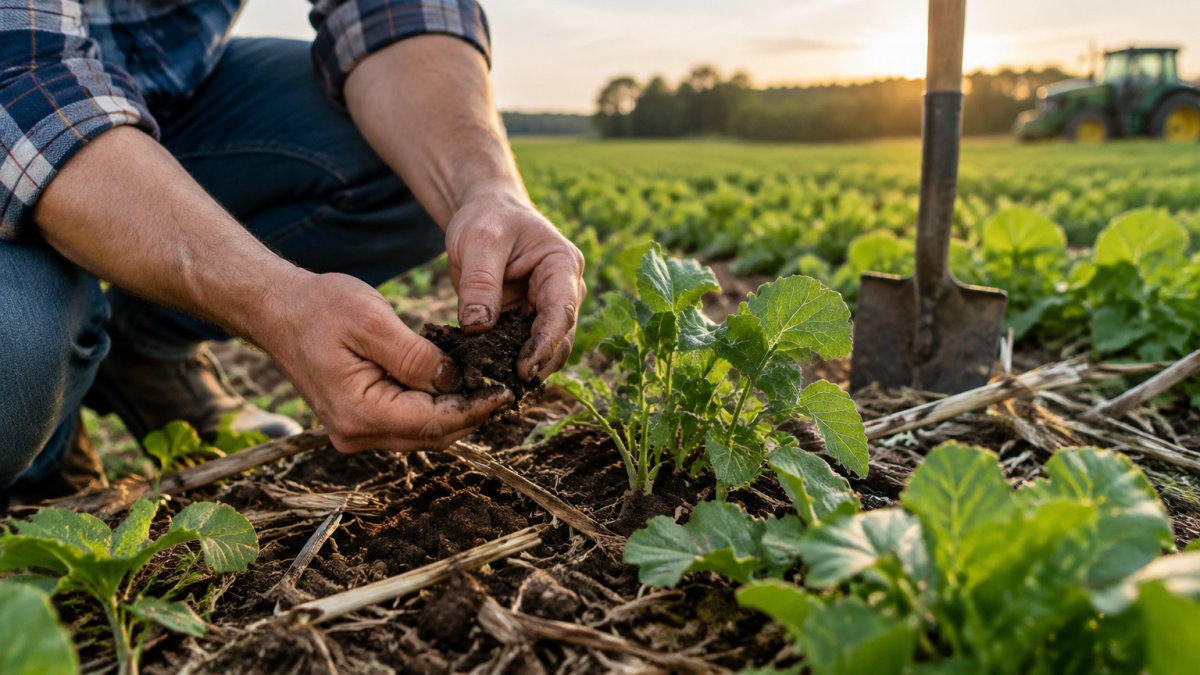
Transition without losing a season by phasing the change: strip-test first, keep a chemical safety net on part of the acreage, and add crop diversity and rotation before dropping inputs.
Our walkthrough on how to transition a farm away from chemicals lays out each stage in order.
Organic Farming Yield Transition: What the Data Says and How to Buffer It
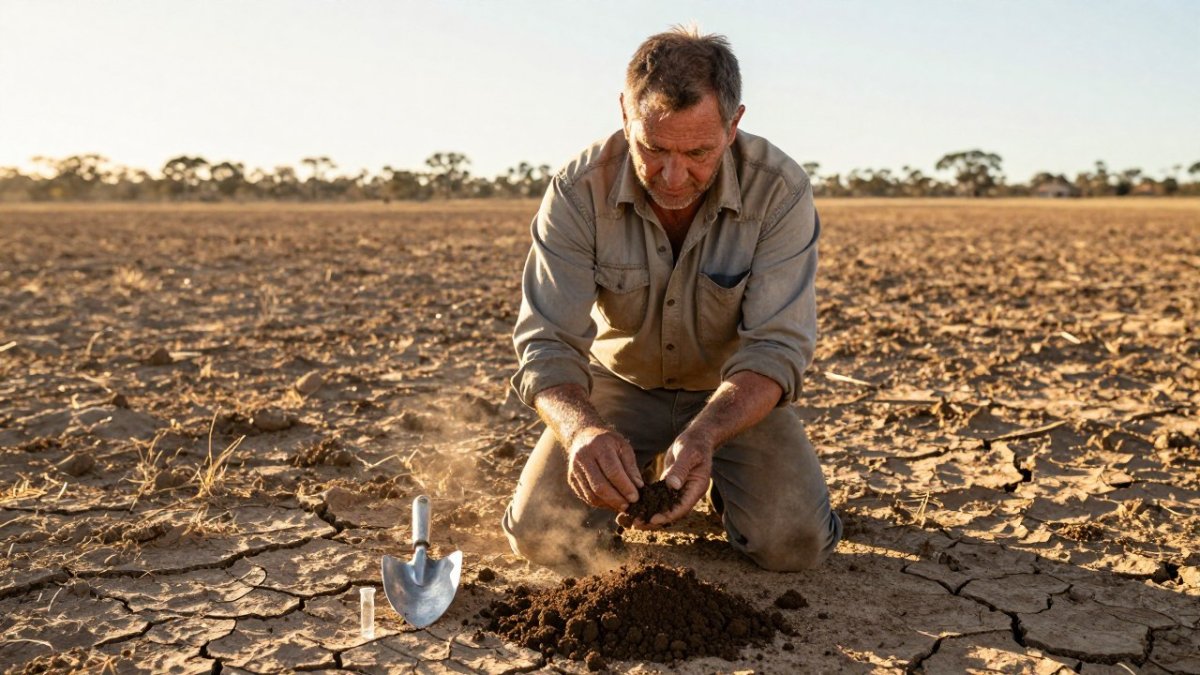
The organic farming yield transition is real but usually recoverable, yields dip during the shift to pesticide-free farming, then climb back as soil health improves.
Soil Health Testing for Farms: Your Early-Warning System
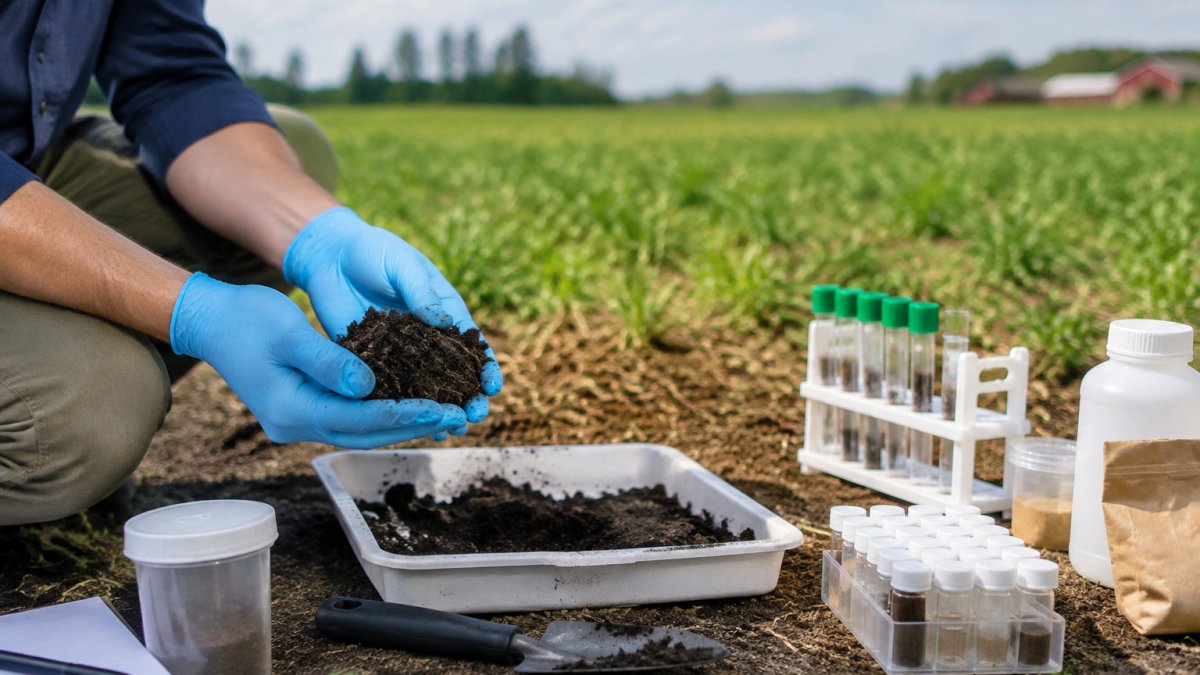
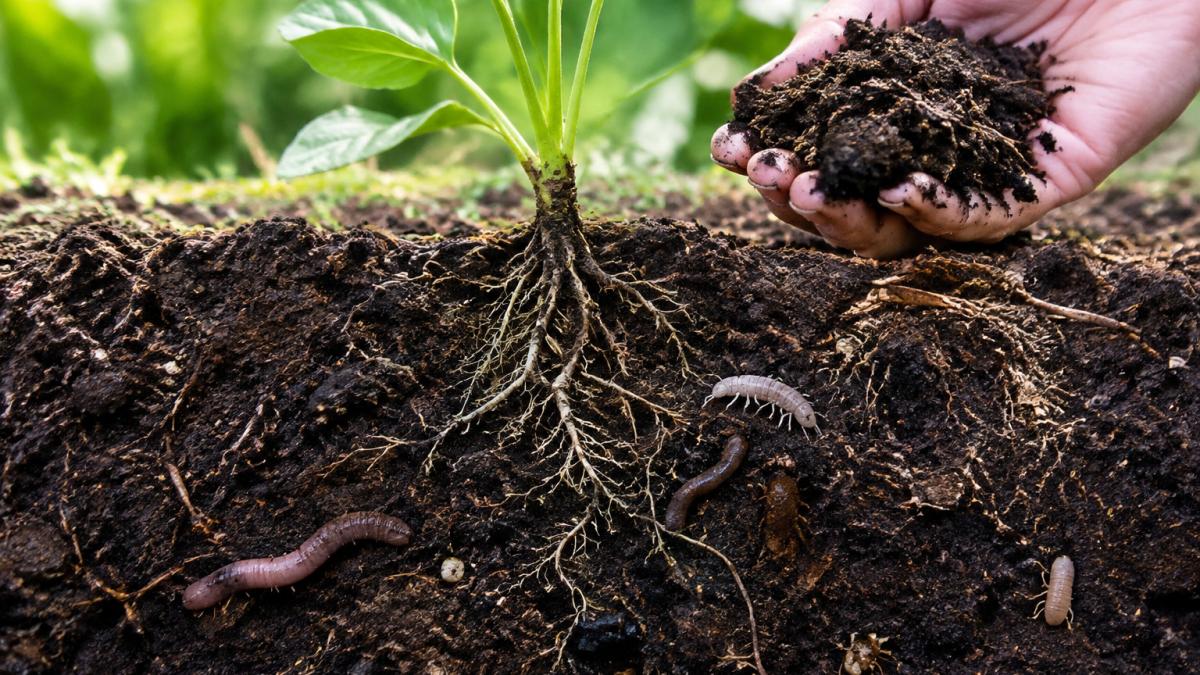
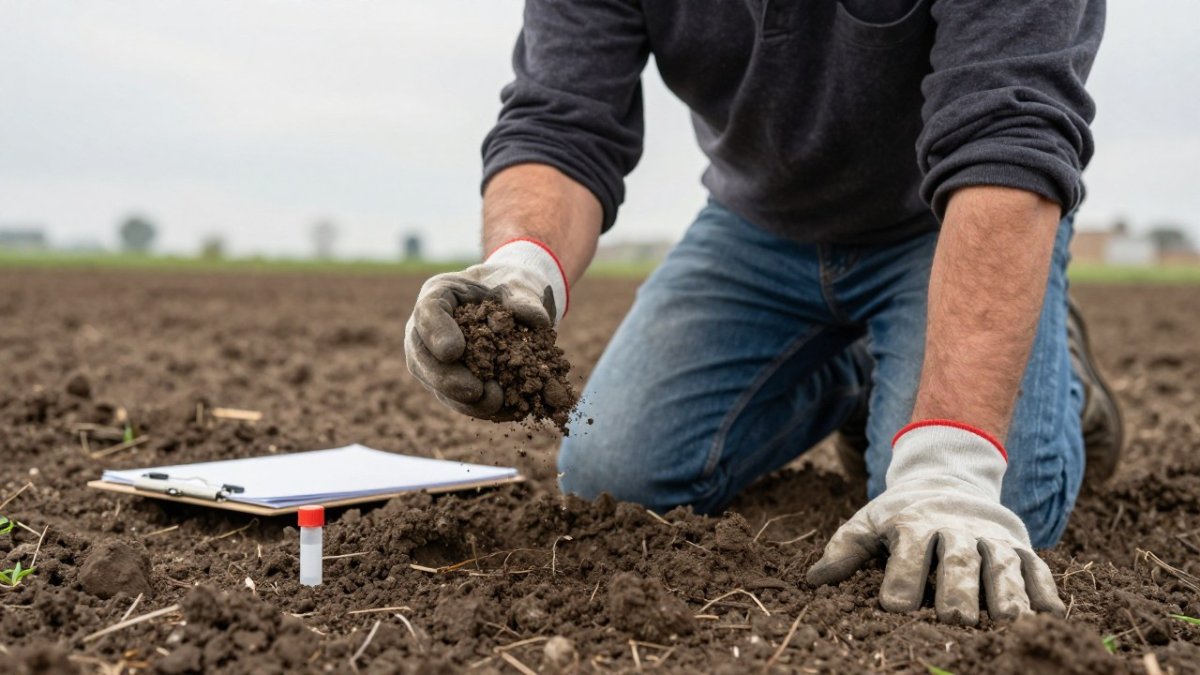
Soil health testing can serve as an early-warning check: microbial analysis may show whether soil biology is rebuilding before yield numbers reflect it.
Our guide on soil biology testing for farms explains how to read results and act on them.
Building a Phased Transition Plan That Protects Cash Flow
A phased transition plan protects cash flow by spreading risk across seasons and fields. Map risk field by field, set decision points, and hold a reserve equal to one season of expected loss; start certification and market talks early, since premiums and credits only offset costs after a lag.
| Risk | Trigger to Watch | Mitigation | Recovery Move |
|---|---|---|---|
| Yield dip | Falling nitrogen response | Strip-testing, compost | Reintroduce limited inputs on one strip |
| Pest pressure | Rising crop damage | Integrated pest management | Targeted biological control |
| Cash flow | Reserve below one season | Staged acreage | Slow expansion, hold acreage |
A planning-focused guide on how do you plan a regenerative farming transition helps you map this before you commit.
Integrated Pest Management During the Transition
Integrated pest management during the transition keeps you from trading chemical dependency for pest collapse. Scout regularly, rotate crops to break pest cycles, and lean on biological control first.
Reducing Chemical Inputs Without Triggering a Crisis
Reducing chemical inputs works best as a gradual dial, not a cliff: cut the most damaging synthetic pesticides first, replace them with biological control and precision spraying, and keep a fallback for outbreak years. The goal is pesticide-free agriculture over time, not overnight.
The Real Risks of Chemical Free Farming: Yield Dips, Pest Pressure, and Cash Flow
Chemical free farming transition risks are not reasons to stay put, they are problems with known fixes: buffer the yield dip, manage pest pressure with integrated pest management, and protect cash flow with staging and a reserve.
The hard part of going chemical-free is not conviction. It is managing the messy middle, when yields wobble and cash is tight. BioSys helps you see what is happening underground before it shows up in the ledger, with soil microbial analysis, regenerative landscaping guidance, and biologically complete compost built for your specific crops. Get started with BioSys and transition with data instead of guesswork.
Frequently Asked Questions
What are the main risks of transitioning to chemical-free farming?
The biggest risks are short-term yield dips, increased pest pressure as synthetic controls stop, and cash-flow strain from lower output while input costs and labor shift. A phased plan that changes one field at a time spreads the financial exposure.
Can yields drop when a farm stops using synthetic fertilizers and pesticides?
Yes, yields often dip during the organic farming yield transition, especially in the first two to three years. Without synthetic nitrogen, crops rely on soil biology and cover crops to supply nutrients, and that system takes time to build. Many farms see recovery as soil health improves, but the timing varies by crop, region, and management. Budgeting for a temporary yield reduction is essential.
How can farmers manage pests without synthetic pesticides?
Pesticide-free farming relies on integrated pest management: crop rotation, beneficial insects, trap crops, and scouting to catch pest cycles early. Biological control and precision spraying of approved products can fill gaps. The key is monitoring pest pressure weekly and acting before populations spike, rather than waiting for damage.