 How-to
7 Soil Food Web Benefits for Plants That Boost Growth
Last Updated: November 7, 2026
Quick Summary
The soil food web benefits plants by recycling nutrients, building stable soil aggregates that hold more water, suppressing disease, strengthening plant immunity, resisting pests, and breaking down pollutants. This living community of bacteria, fungi, protozoa, nematodes, and earthworms feeds plants and keeps soil healthy.
- A single teaspoon of healthy soil can hold billions of microorganisms.
- Fungi and bacteria bind soil particles into stable aggregates, according to USDA ARS.
- A diverse microbiome outcompetes pathogens and suppresses disease.
- Plants release root exudates that feed microbes, which release absorbable nutrients.
- Support the soil food web with compost, mulch, cover crops, and reduced tillage.
Table of Contents
- 7 Soil Food Web Benefits for Plants
- How Does Soil Help Plants to Grow? The Root Zone Connection
- What Makes Soil Healthy: Reading a Soil Food Web Diagram
- Frequently Asked Questions
7 Soil Food Web Benefits for Plants
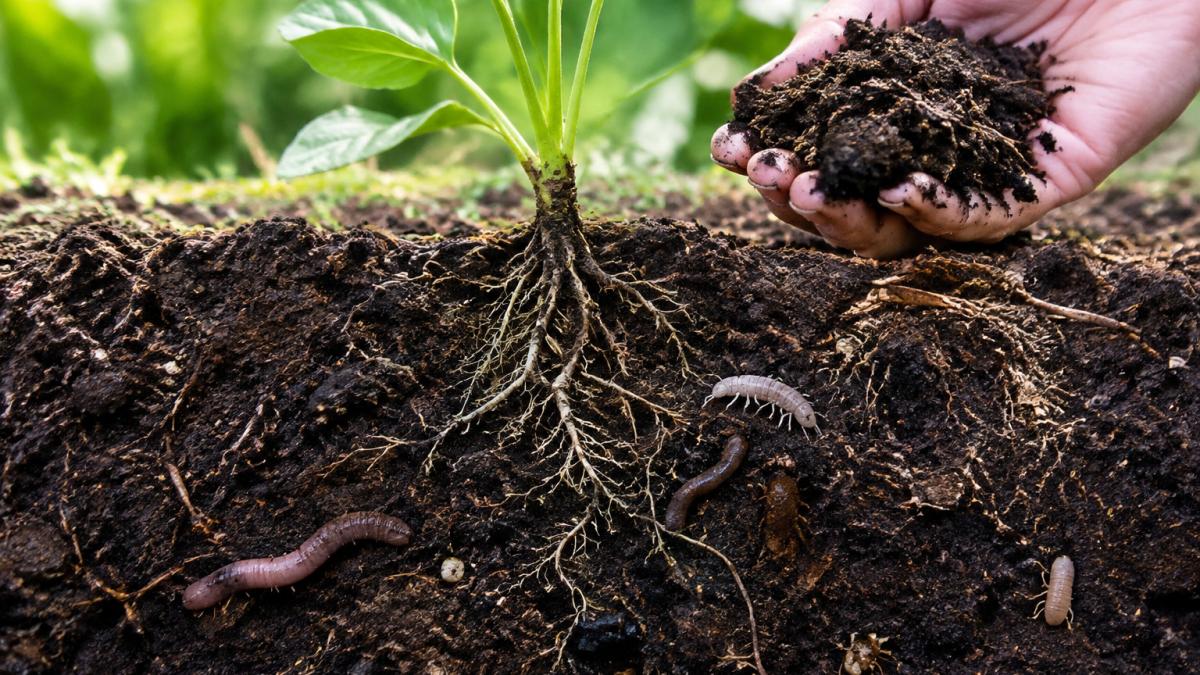
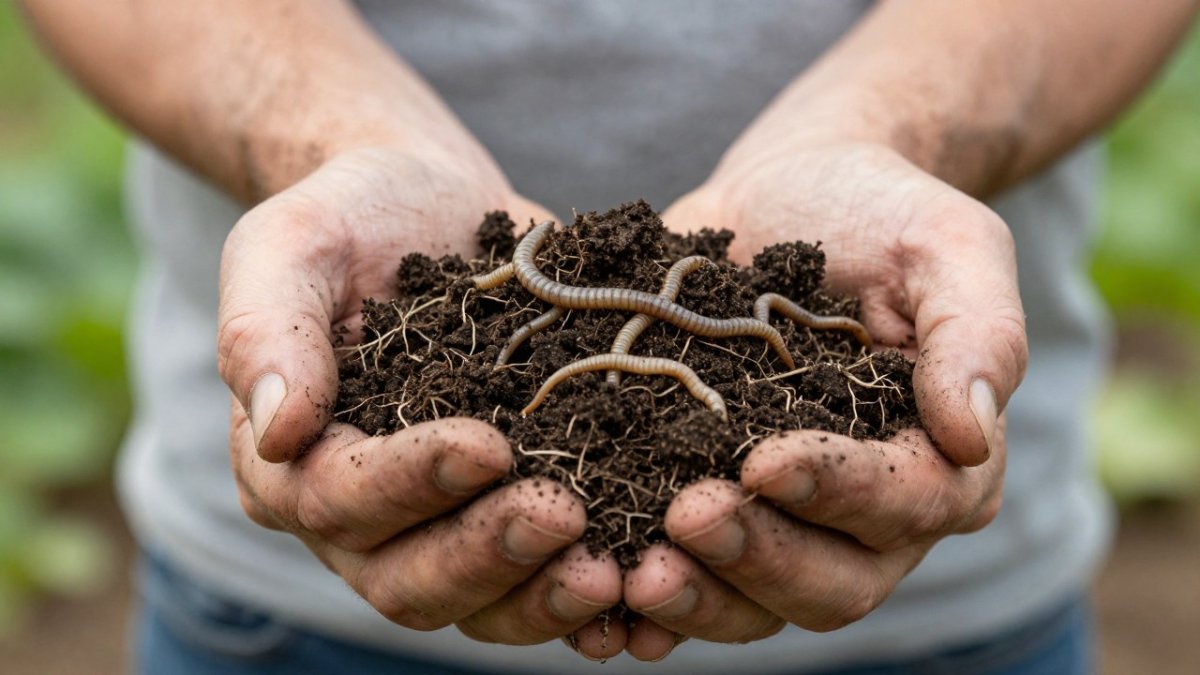
The soil food web benefits for plants start with one fact: healthy soil is alive. A single teaspoon can hold billions of microorganisms.
The soil food web is the community of organisms living in soil, including bacteria, fungi, protozoa, nematodes, and earthworms, that recycle nutrients and feed plants.
- Nutrient cycling: Microbes release plant-available nutrients.
- Better soil structure: Fungi and bacteria bind particles into stable aggregates (Publication : USDA ARS).
- Improved water retention: Aggregated soil holds more water and drains better.
- Disease suppression: A diverse microbiome outcompetes pathogens.
- Stronger plant immunity: Beneficial microbes trigger defense responses.
- Pest resistance: Healthy soil supports plants that withstand pest pressure.
- Pollutant removal: Soil organisms break down many contaminants.
Want these benefits on your own land? Our guide on improving soil microbial health walks through the practical steps.
How Does Soil Help Plants to Grow? The Root Zone Connection
Soil helps plants grow by supplying water, nutrients, and a living root zone where microbes trade with roots. Plants release root exudates that feed microbes, which release absorbable nutrients, the engine behind the soil food web.
What Makes Soil Healthy: Reading a Soil Food Web Diagram
A soil food web diagram shows energy moving from organic matter to bacteria and fungi, then to predators like protozoa and nematodes, and back to plants as nutrients.
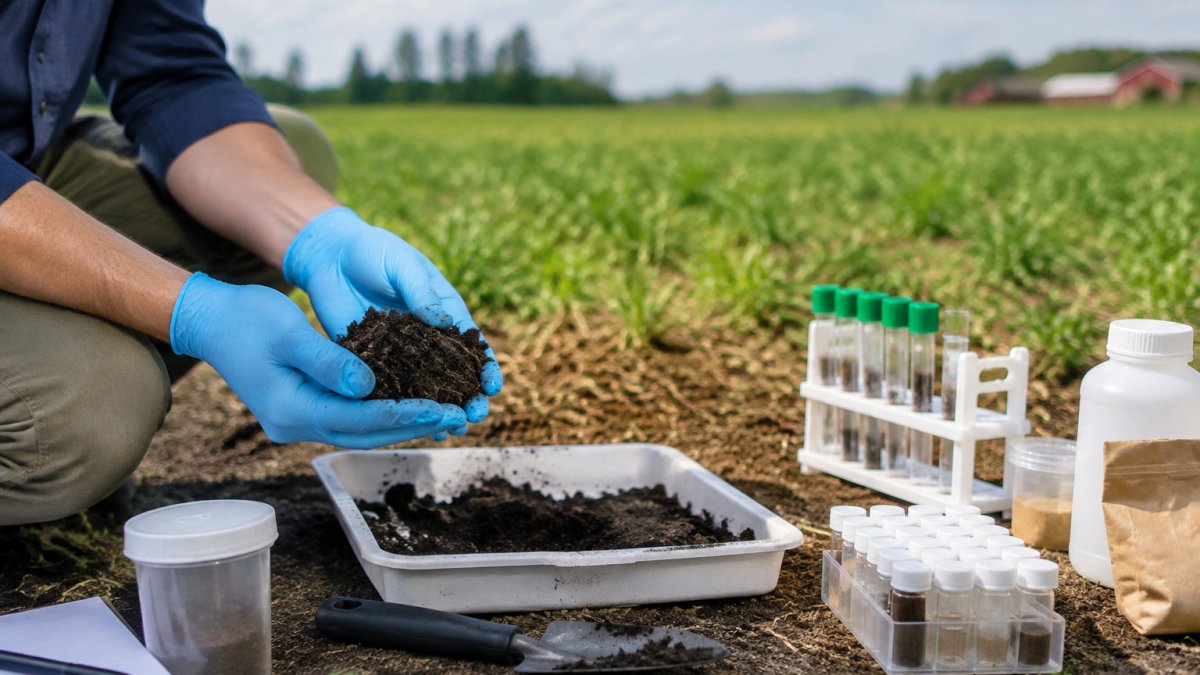
Testing can show your actual microbial biomass. Read more about what soil microbial testing reveals and how to act on soil biology test results.
| Diagram Level | Key Organisms | Role |
|---|---|---|
| Decomposers | Bacteria, fungi | Break down organic matter |
| Predators | Protozoa, nematodes | Release nutrients through predation |
| Shredders | Microarthropods, earthworms | Break up residue, improve structure |
The challenge is simple: you cannot manage soil biology you have not measured. BioSys offers soil testing for bio analysis, regenerative landscaping without chemical fertilizers, pesticides, or herbicides, and biologically complete compost production. Get started with BioSys and restore the life in your soil.
Frequently Asked Questions
Why is the soil food web important for plants?
The soil food web breaks down organic matter and releases plant-available nutrients, improves soil structure and water retention, and supports the root zone where plants take up water and minerals. Bacteria, fungi, protozoa, and nematodes cycle nutrients continuously, so plants get a steadier supply than a single fertilizer application provides. A functioning food web also supports disease suppression and helps plants handle drought stress.
Can a healthy soil food web reduce the need for fertilizer?
It can lower reliance on synthetic inputs over time, but the change is gradual.
What practices support a healthy soil food web?
Feed the biology rather than the plant directly. Add compost and mulch, keep living roots in the ground with cover crops, reduce tillage, and limit pesticide and herbicide use. These practices build organic matter, protect fungal networks, and improve soil aggregation.