 blog
5 Signs of Healthy Soil in a Garden You Can See
Last Updated: November 14, 2026
Quick Summary
The 5 signs of healthy soil in a garden are crumbly structure, dark color, deep-spreading roots, visible soil life, and water that soaks in. Each sign is checkable by hand in minutes, with no lab needed. Squeeze, dig, pull, count, and pour to read your soil.
- Squeeze a handful of soil: it should crumble into pea-sized pieces, not dust or a hard lump.
- Dig down a few inches and check color, since dark brown soil usually means more organic matter.
- Pull a weed or finished crop plant to see fine roots reaching down and outward.
- Turn over a spadeful and count earthworms, insects, and tiny soil organisms.
- Pour a bucket of water on bare soil; healthy soil drinks it in within minutes.
Table of Contents
- 5 Signs of Healthy Soil in a Garden You Can Check by Hand
- How to Know if Soil Is Good for Planting Before You Sow
- What Does Healthy Soil Feel Like in Your Hand?
- How to Improve Soil Quality Naturally
- Signs of Poor Soil Drainage and What to Do
- When to Test Soil and What a Test Can Tell You
- Frequently Asked Questions
5 Signs of Healthy Soil in a Garden You Can Check by Hand
You don't need a lab to read your soil. The 5 signs of healthy soil in a garden are crumbly structure, dark color, living roots, visible soil life, and water that soaks in, each checkable by hand in minutes.
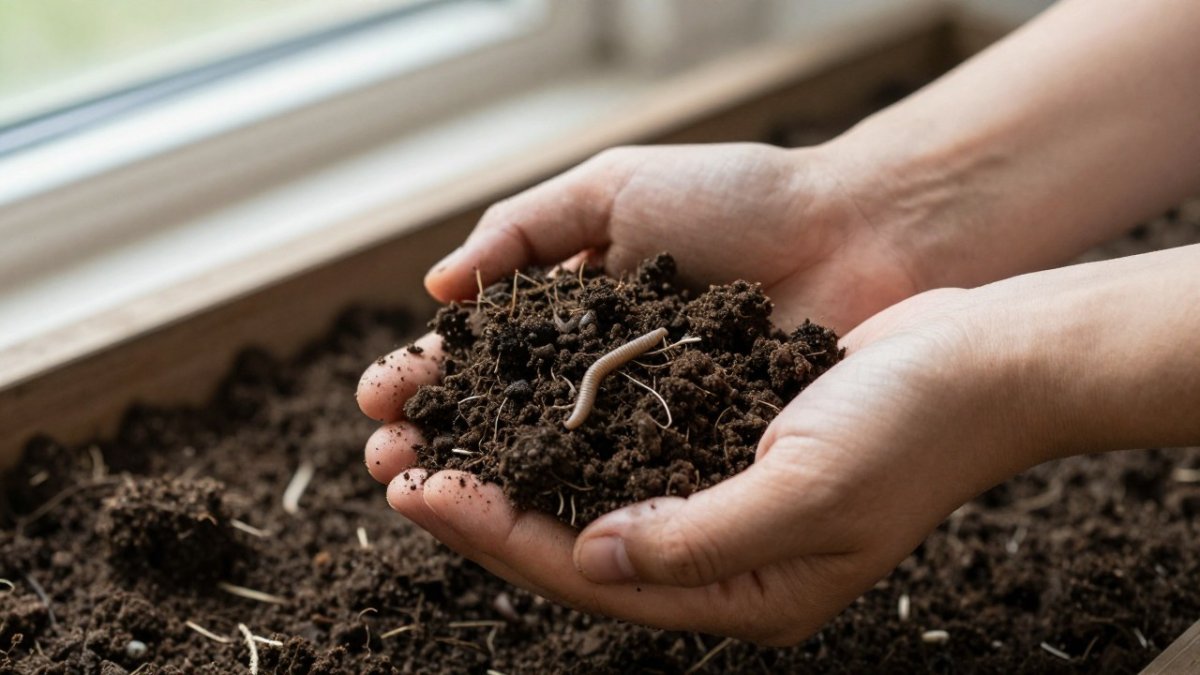
Sign 1: The Soil Breaks Into Crumbs
Healthy garden soil holds together in small, round clumps called aggregates. Squeeze a handful: it should crumble into pea-sized pieces. Dust means poor structure; a hard lump means compaction.
Sign 2: The Color Runs Dark
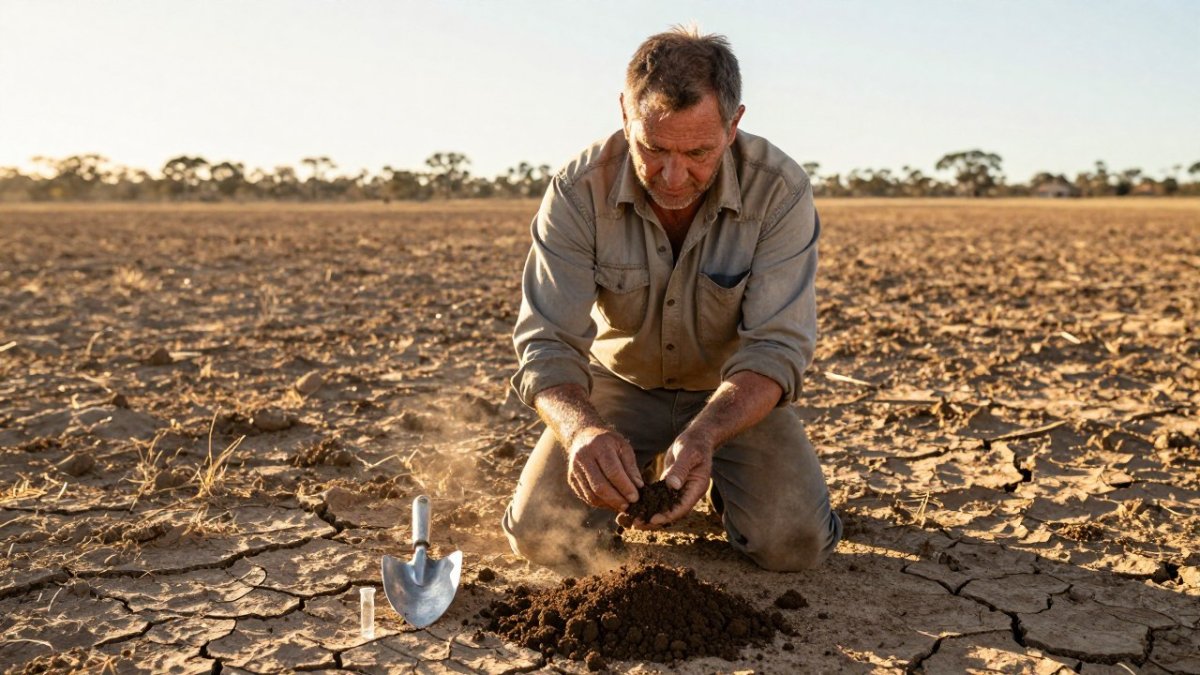
Dark brown soil usually means more organic matter. Dig down a few inches and check the color. Pale, dusty soil has less organic matter feeding soil life.
Sign 3: Roots Push Deep and Spread Wide
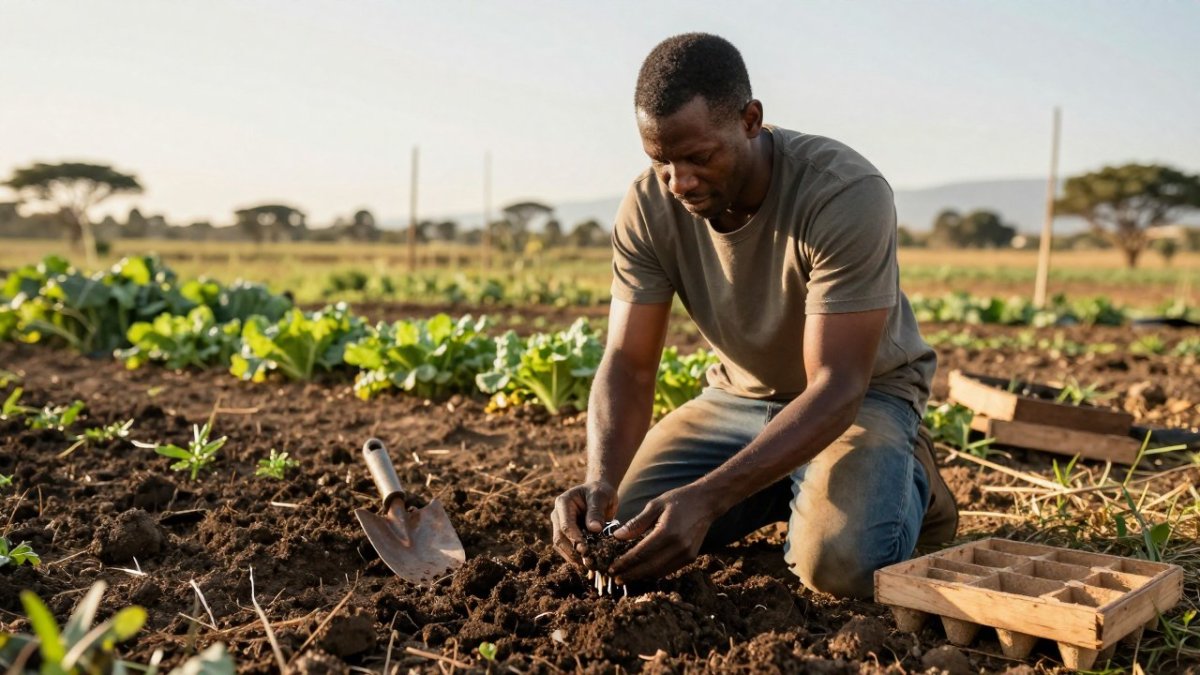
Pull a weed or finished crop plant. Healthy soil shows fine roots reaching down and outward, not bunched at the surface. Stunted, flattened roots signal compaction or poor aeration.
Sign 4: You See Earthworms and Soil Life
Turn over a spadeful and count what moves. Earthworms, insects, and tiny soil organisms point to active biological life. No worms in a moist, warm bed is a warning sign.
Sign 5: Water Soaks In and Stays
Pour a bucket of water on bare soil. Healthy soil drinks it in within minutes and holds moisture without standing water. Runoff or hours of puddling means drainage and porosity need work. For deeper fixes, see how to improve soil microbial health.
| Sign | Quick Hand Test | Warning Sign |
|---|---|---|
| Structure | Squeeze a handful | Dust or hard lump |
| Color | Dig 3 inches | Pale and dusty |
| Roots | Pull a plant | Stunted, shallow roots |
| Soil life | Turn a spadeful | No worms or insects |
| Water | Pour a bucket | Runoff or standing water |
How to Know if Soil Is Good for Planting Before You Sow
If soil crumbles, runs dark, and drinks water, it's ready to plant.
Texture matters too: gritty soil drains fast, sticky soil holds water, and loam supports the most vigor. Never plant into wet spring soil, you'll smear the structure and create lasting compaction.
Want to understand why soil biology drives plant growth? Read the soil food web benefits for plants.
What Does Healthy Soil Feel Like in Your Hand?
Healthy soil feels slightly moist, cool, and soft, like a wrung-out sponge. It holds shape when squeezed, then breaks apart with a light touch.
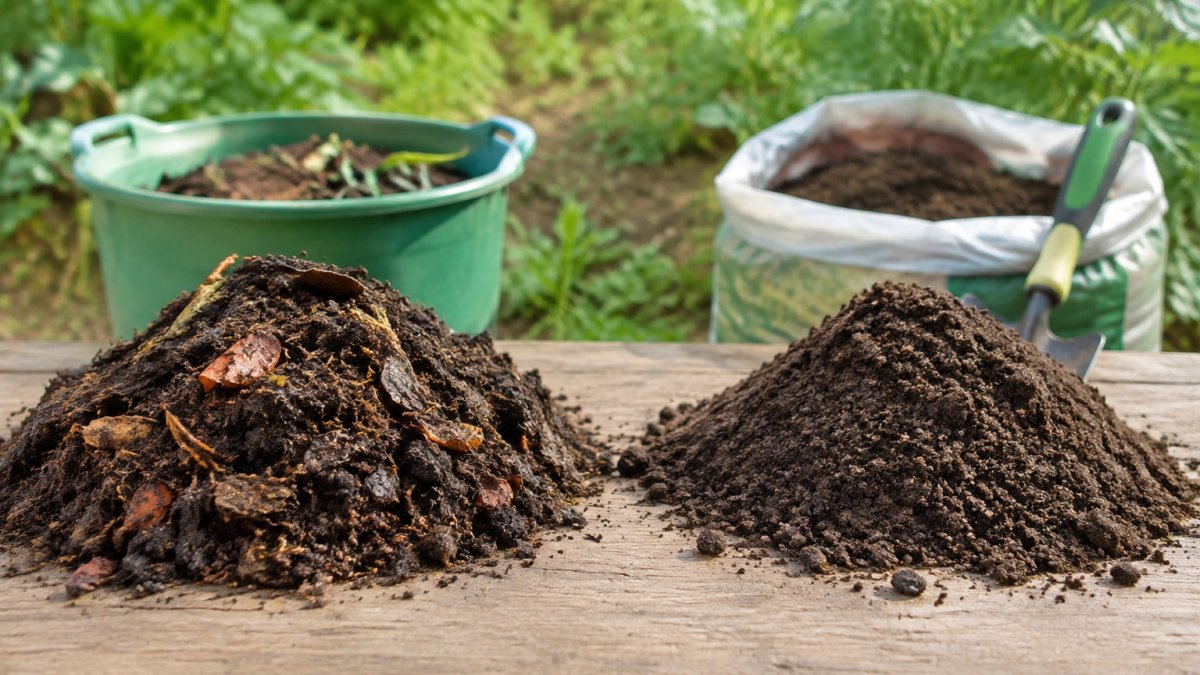
If your soil feels thin and lifeless, compost is the fastest fix. Our guide on choosing compost for your vegetable garden walks through the five steps.
How to Improve Soil Quality Naturally
Feed the soil life, and the structure follows. Add compost, keep soil covered with mulch or residue, plant cover crops, and cut tillage, keeping living roots in the ground as long as possible.
Watch out: tilling wet soil destroys aggregates and creates a hard layer below the surface. Wait until soil is moist, not soaked.
Signs of Poor Soil Drainage and What to Do
Standing water after rain means poor drainage. Compacted layers, heavy clay, and low organic matter all trap water and starve roots of air.
Fix it by aerating, adding organic inputs, and building raised beds in the worst spots. Improve soil porosity before planting anything that dislikes wet feet.
When to Test Soil and What a Test Can Tell You
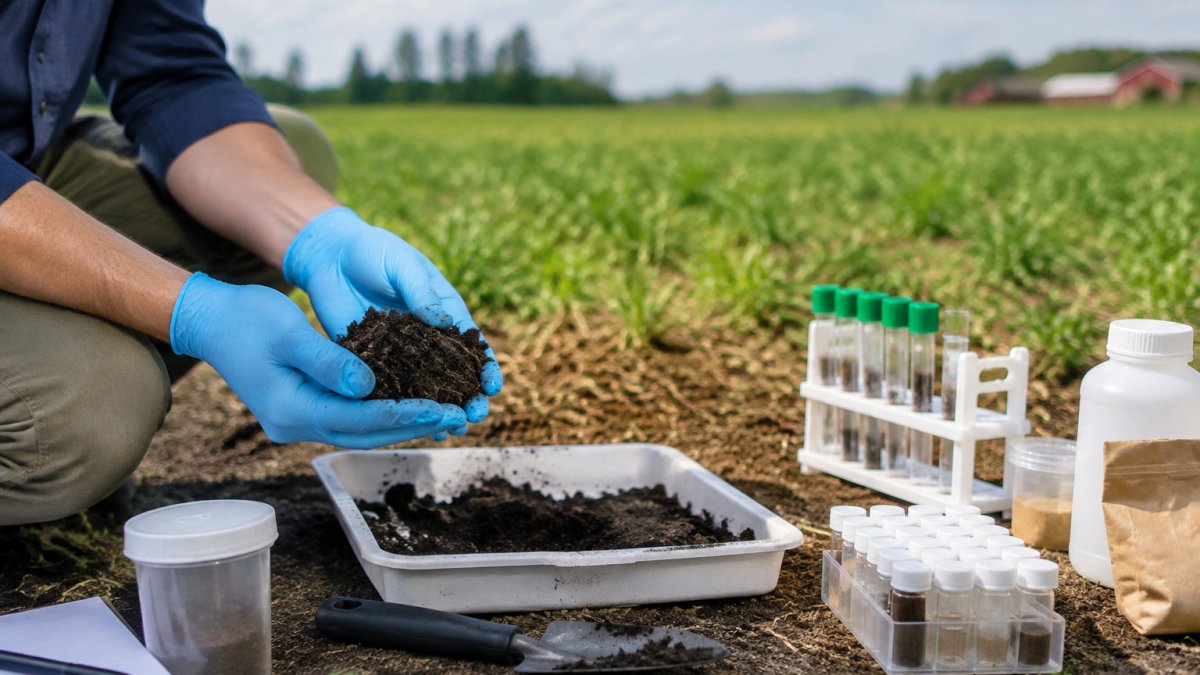
A soil test tells you pH, nutrient availability, and mineral levels, but not whether soil life is active, that takes biological analysis.
Test when you start a new bed, when plants underperform, or every few years as a baseline.
Your soil is talking. The question is whether you're reading it.
Frequently Asked Questions
Can healthy soil be identified without a soil test?
Yes, to a point. You can spot healthy soil by squeezing a damp handful: it should hold a loose shape and crumble when you poke it. Look for dark color, visible earthworms, and water that soaks in within minutes rather than pooling. These field signs tell you whether soil structure and biology are working. They cannot tell you pH, nutrient levels, or which microbes are missing. A soil biology test fills that gap when you need to make specific amendment decisions.
What does healthy soil feel like, and how is it different from poor soil?
Healthy soil feels like soft crumbs or cottage cheese between your fingers, with a slightly moist, spongy give. Poor soil feels either slick and sticky when wet or hard and dusty when dry, and it clumps into a solid ball that will not break apart. The squeeze test is the fastest way to compare. Dig a small handful from 6 inches down, moisten it, and squeeze. Crumbly and loose means good structure; a tight, smeared ball points to compaction or too much clay.
What are the signs of poor soil drainage, and how do I fix them?
Standing water hours after rain, puddles that linger in low spots, yellowing lower leaves, and a sour smell from waterlogged ground all point to poor drainage. Dig a test hole about 12 inches deep, fill it with water, and see how long it takes to drain. If water sits for more than a few hours, you likely have compaction or heavy clay. Fix it by adding organic matter, keeping living roots in the ground, and avoiding traffic on wet soil.